Sally Prendergast built two AI apps by starting with a problem dance studio owners already described, testing a small checklist, then using Claude to refine the brief and Lovable to build. Her dance experience guided the product; repeated testing got it ready for users.
The best AI product I've seen this year wasn't built by a developer.
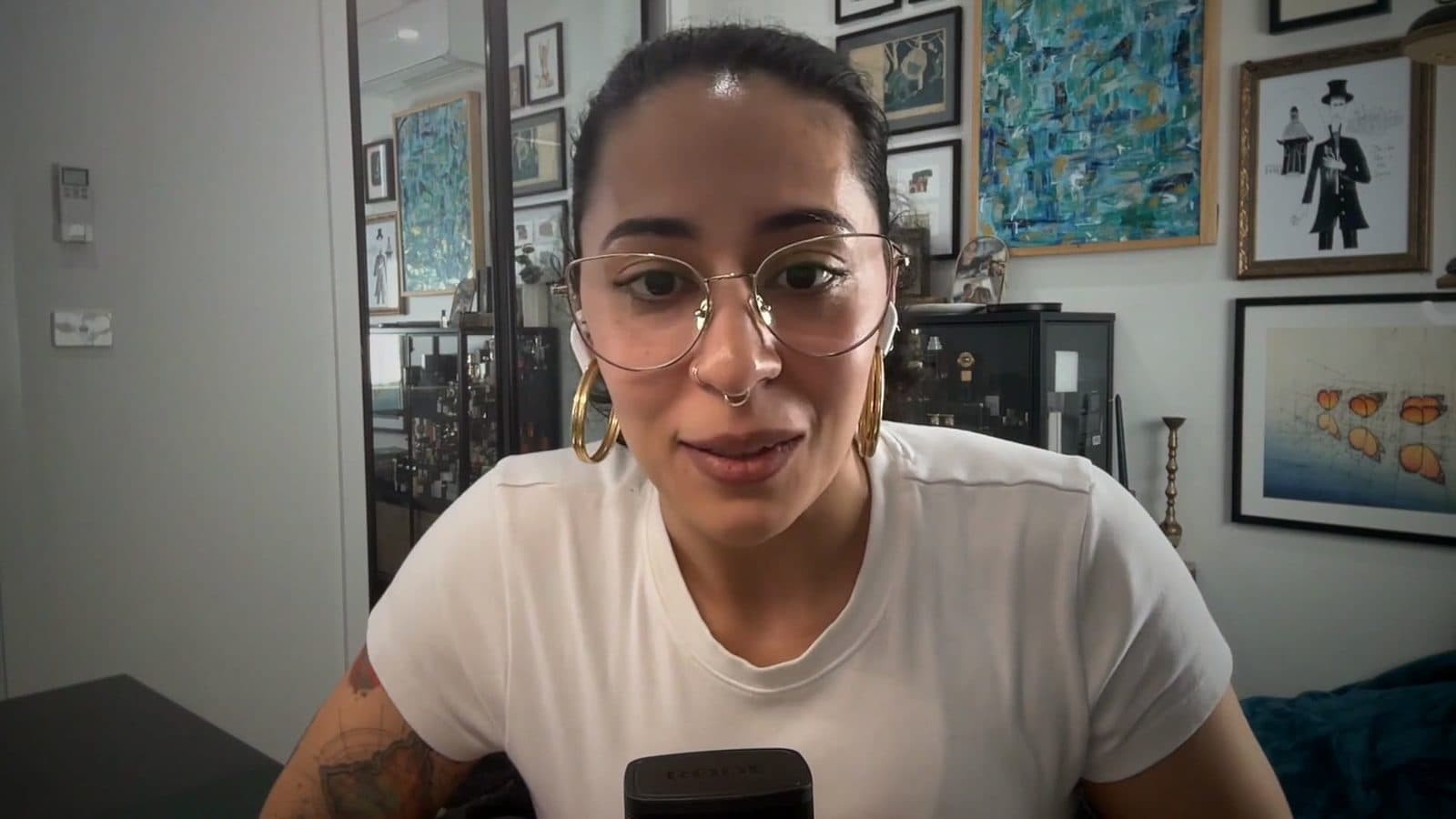
It was built by Sally Prendergast — a dance teacher of 35 years, a studio owner of 25, and someone who will happily tell you she's not a coder. She's now got TWO apps live for dance studio owners, with sales pages, logins, payments, the lot.
This week she came on the channel and walked me through the entire thing — including the live demo. If you've been sitting on deep industry knowledge and a sneaking feeling there's a product in it, this one's for you. (And if you're newer to building with AI, start with Claude Code for non-technical users — same principle, smaller stakes.)
The problem came before the product
Sally didn't sit down to "build an AI app." She ran studios for 25 years and kept hearing the same two complaints from studio owners: no time to make content, and nowhere to get marketing photos — because parents increasingly do not want their kids' photos online.
That second one is the sleeper. Dance studios market with images of kids, and families are saying no — privacy, safety, sometimes serious reasons like domestic violence. The thing that fills enrolments is the exact thing parents are opting out of.
"When I hear the same thing over and over, for me it's like — there's an opportunity there. There's an opportunity to solve this problem for a lot of people."
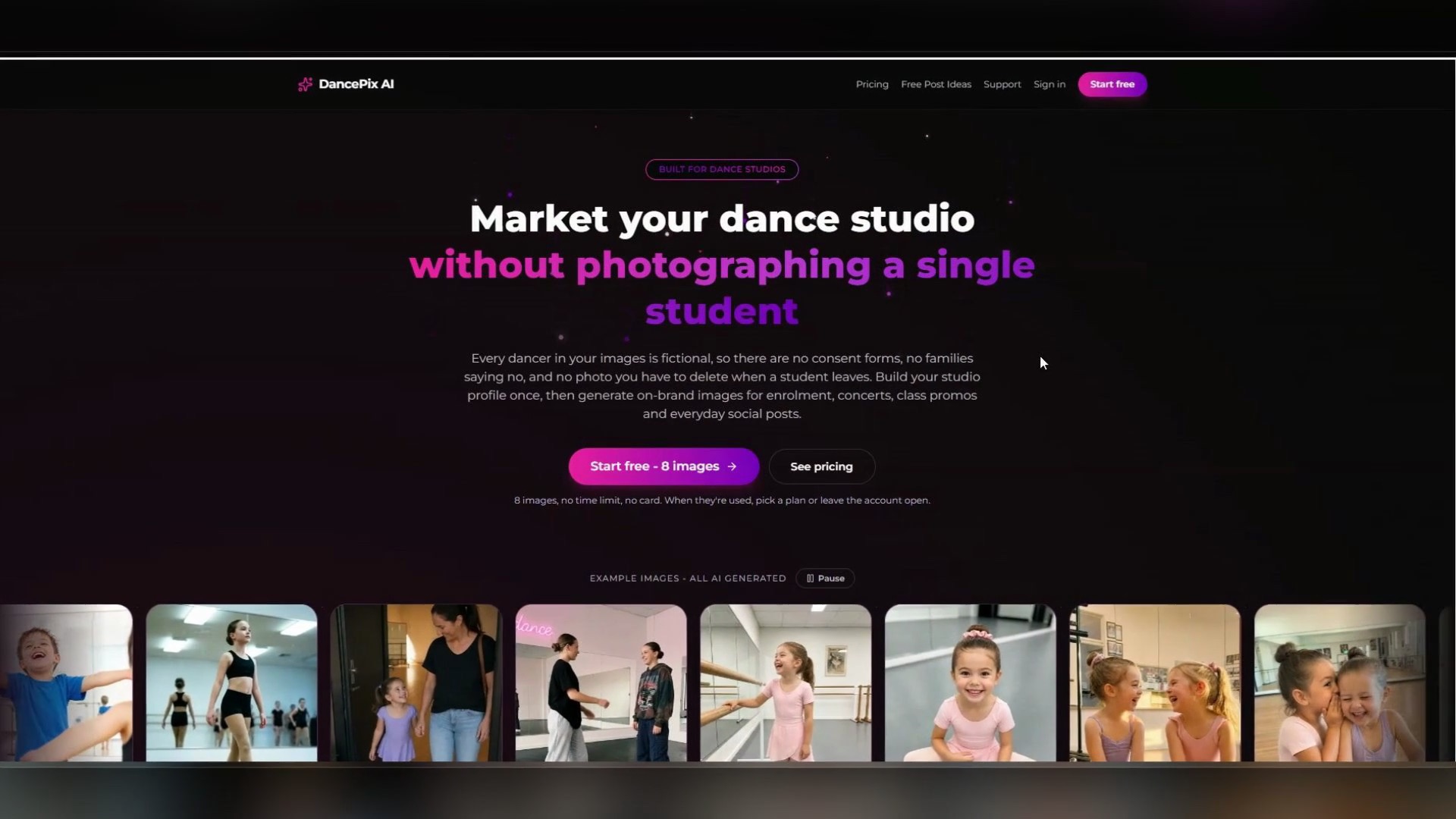
So her first app, DancePix AI, generates photoreal images of fictional dance students — in your actual studio, wearing your actual uniforms, mid-movement and slightly imperfect the way real class photos are. The aim is to use fictional dancers instead of publishing student photos. That reduces the need to use real children’s images; it does not remove every privacy, likeness or disclosure question about the inputs and outputs.
How to build an AI app without coding: the actual stack
Sally's build process is the part worth stealing, because the order of operations is backwards from what most people expect.
Step one: she talked, before she built. She took the problem to Claude and asked "what am I missing? Where are the holes in this? What haven't I thought about yet?" Compliance came out of those conversations — which is why DancePix now ships with a built-in AI policy that studios can publish on their own websites, and an option to label images as AI-generated. Those are product precautions described in the interview, not a legal-compliance assessment.
Step two: she built in Lovable. Lovable is an AI app builder — you describe what you want in plain language, and it produces a working web app with the scary parts included: user accounts, forgot-password pages, payment gateways, security checks.
"If I had done it in code, I wouldn't have known what to check for."
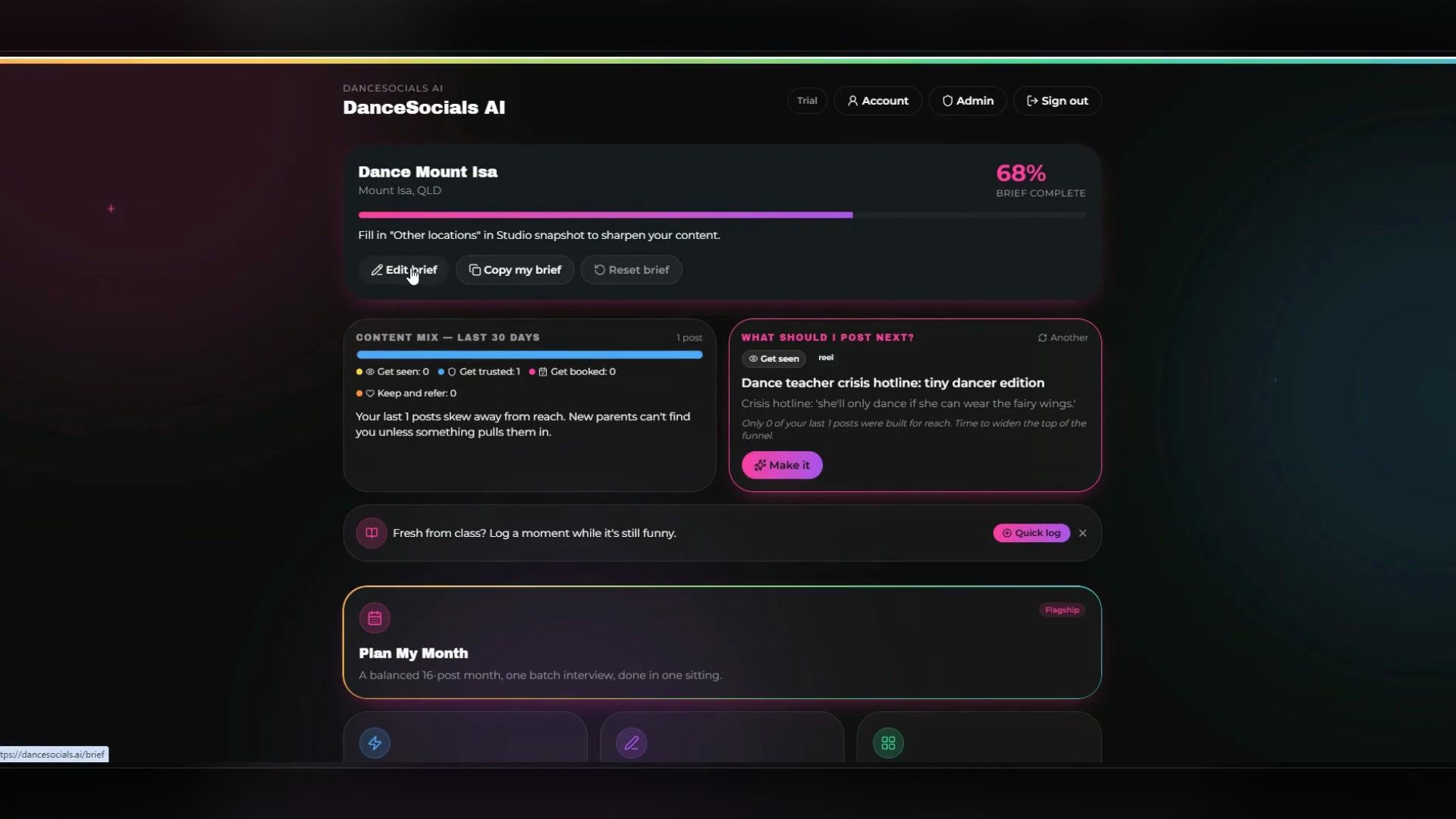
That's the whole trick. The thinking happens in plain English with Claude. The code happens somewhere you never have to look at it. Her second app, DanceSocials AI, went the same way — a content engine built on an eight-step brief about your studio, so every caption it writes sounds like you and not like generic AI output.
It's the same rubbish-in-rubbish-out principle I bang on about with AI lead magnets: the quality of what comes out is set by the context you load in, not by the model.
Start smaller than an app
Here's the part everyone skips when they tell you to build an AI product: Sally's first builds weren't apps at all.
They were interactive checklists. One specific thing she knew how to do, turned into a simple page, tested with her existing community. Cheap to make, cheap to throw away.
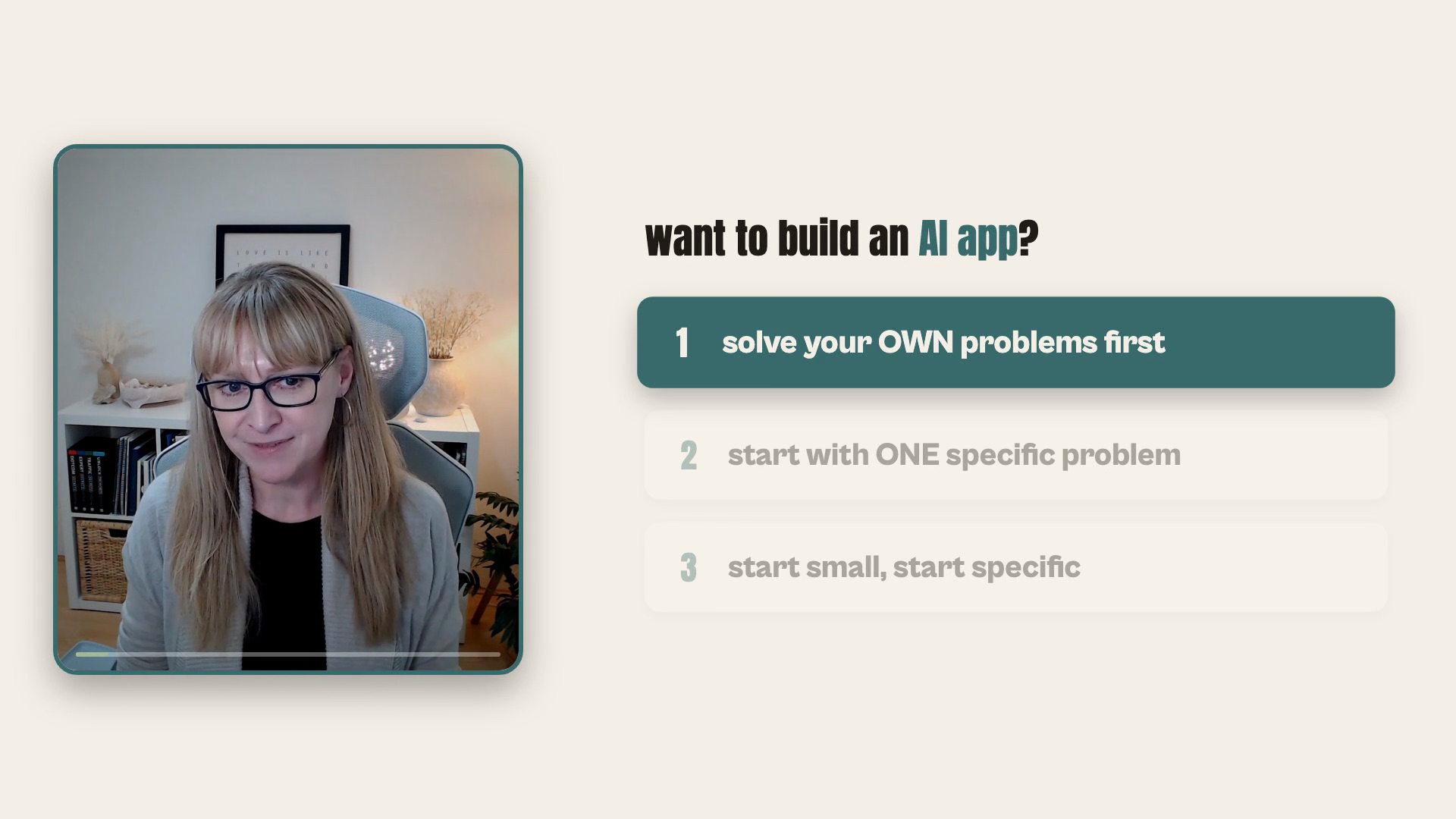
Her three rules, straight from the episode:
- Solve your own problems first. You'll find the gaps faster than anyone else, because you live with them.
- Start with ONE specific problem. Not all the problems of all the world — one thing, done properly.
- Don't build anything unless your audience asks for it. If nobody's asking, you're building a very time-consuming surprise.
The moat here isn't technical. I could not have built these apps, and I build with AI every day — because I don't have 35 years of dance industry knowledge. Sally does. Your expertise is the product. AI is just how it ships.
FAQ
Can you really build an AI app without knowing how to code?
Yes — tools like Lovable generate the actual code from plain-language descriptions, including logins, databases and payments. Sally Prendergast built two working apps this way with zero coding background; her role was describing the problem precisely and testing relentlessly, not programming.
What's the difference between Claude and Lovable in this workflow?
Claude is the thinking partner; Lovable is the builder. You use Claude to interrogate the idea — gaps, risks, compliance, edge cases — then take the sharpened brief to Lovable, which turns it into a working web app. Doing the thinking first is what stops you building the wrong thing fast. (If you want to see the thinking-partner side properly set up, here's how to build an AI assistant in Claude Cowork.)
How much does it cost to build an app with AI tools?
Budget for the build and for running the product. Claude and Lovable subscriptions are only part of it: hosting, database usage, AI calls, payment fees and maintenance can add costs. Lovable’s plans explain the current allowances; measure a small beta before pricing access. Sally’s larger investment in the interview was testing with real users.
How do I know if my app idea is worth building?
Listen for repeated complaints from an audience you already have. Sally's rule is blunt: if your clients, members or community aren't already asking for it, don't build it. Validate with something tiny — a checklist, a template — before you build the full product.
If you're sitting on years of industry knowledge and want to turn it into something sellable — with people around you doing the same thing, not just cheering from the sidelines — that's exactly what the Wright Mode membership is for. Or if you'd rather have the strategy mapped out for you first, book a consult and we'll find the product hiding in your business.