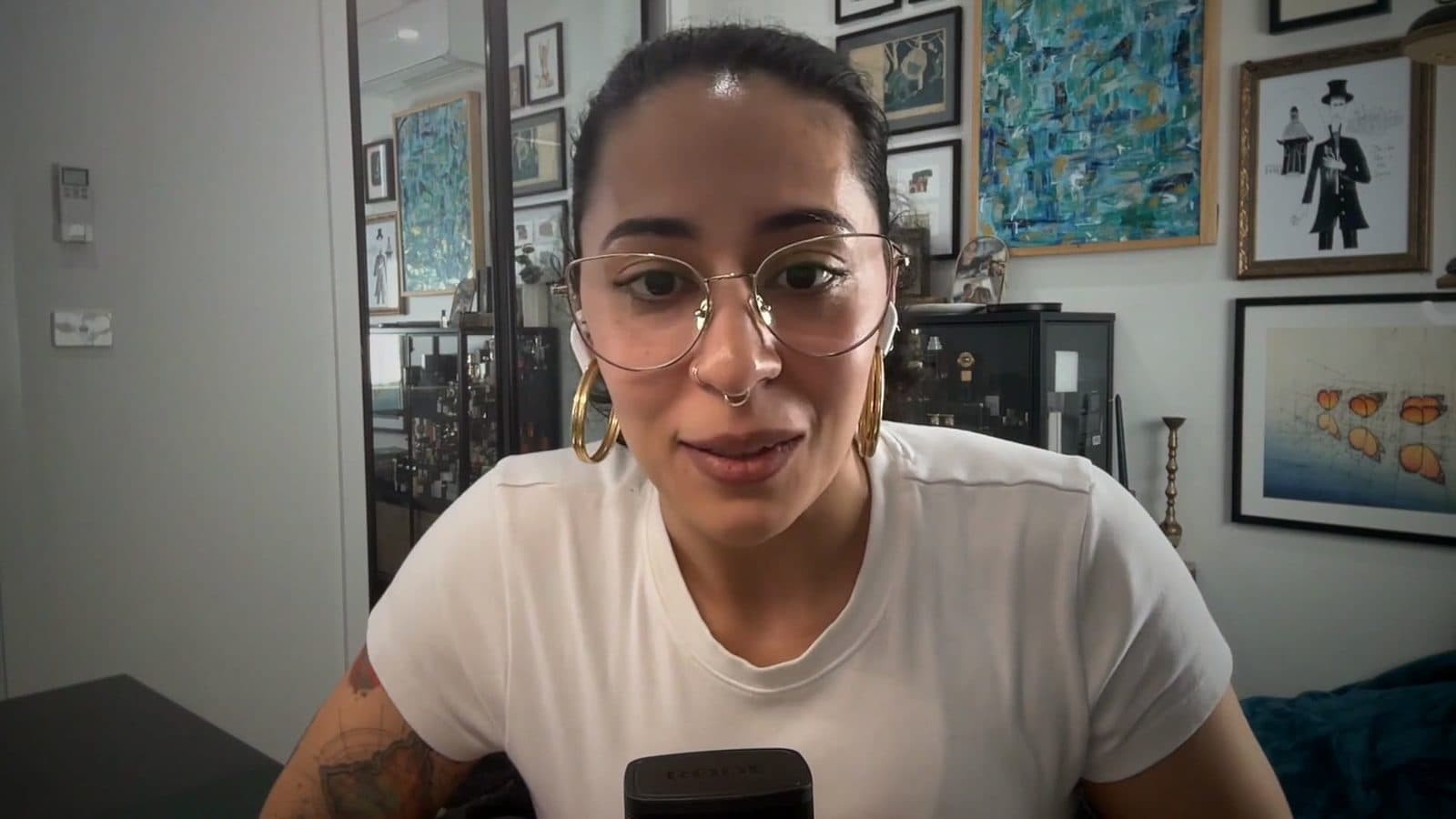
Liv Labi built her first app in Lovable with no coding background, then moved it into Claude Code once she felt skilled enough to keep building it herself. Track Your Perfume started as a spreadsheet of her own perfume habit. Last time she checked, around 100 people were using it, and it's free.
Liv runs The Identity Dept, a brand and messaging studio in Melbourne. She's a Wright Mode member, and I went through her Founding Protocol programme myself, so I've seen how she works from both sides. She came on Not Another AI Girl to show me the app, the Claude Code workflow she runs after every client session, and the one thing she won't hand to AI.
It started with a spreadsheet she couldn't read
Liv has been deep in fragrance for about three years. Her perfume account, Smells Like Money, came out of tracking everything she bought, sold and wore. She was fascinated by the money psychology of the hobby: people in online perfume communities putting themselves on no-buys, breaking them, putting off paying bills to buy more. So she studied herself.
The catch? She's not a spreadsheet-formula person. She couldn't see the information she actually wanted. And, in her words, it was ugly.
Just over a year ago, when Lovable was getting traction, she decided to build a proper platform instead.
I had no idea what I was doing. I'd never vibe coded before.
That's Liv at 12:53 in the interview. Vibe coding means describing what you want to an AI tool in plain language and letting it write the code.
She learnt the backend by asking for features
Liv's first prompt was basically "I want to build a perfume tracking platform." From there she added pages: a collection, transactions, a wear log, a breakdown.
Every new feature taught her something about how apps work underneath. She wanted a purchase or sale on the transactions page to update that bottle in her collection automatically. Making that happen meant she was, as she put it, "accidentally learning a lot about how things work in the backend".
This is the bit I want every non-technical founder to hear. You don't learn the concepts first and build second. You learn them because your own feature needs them.
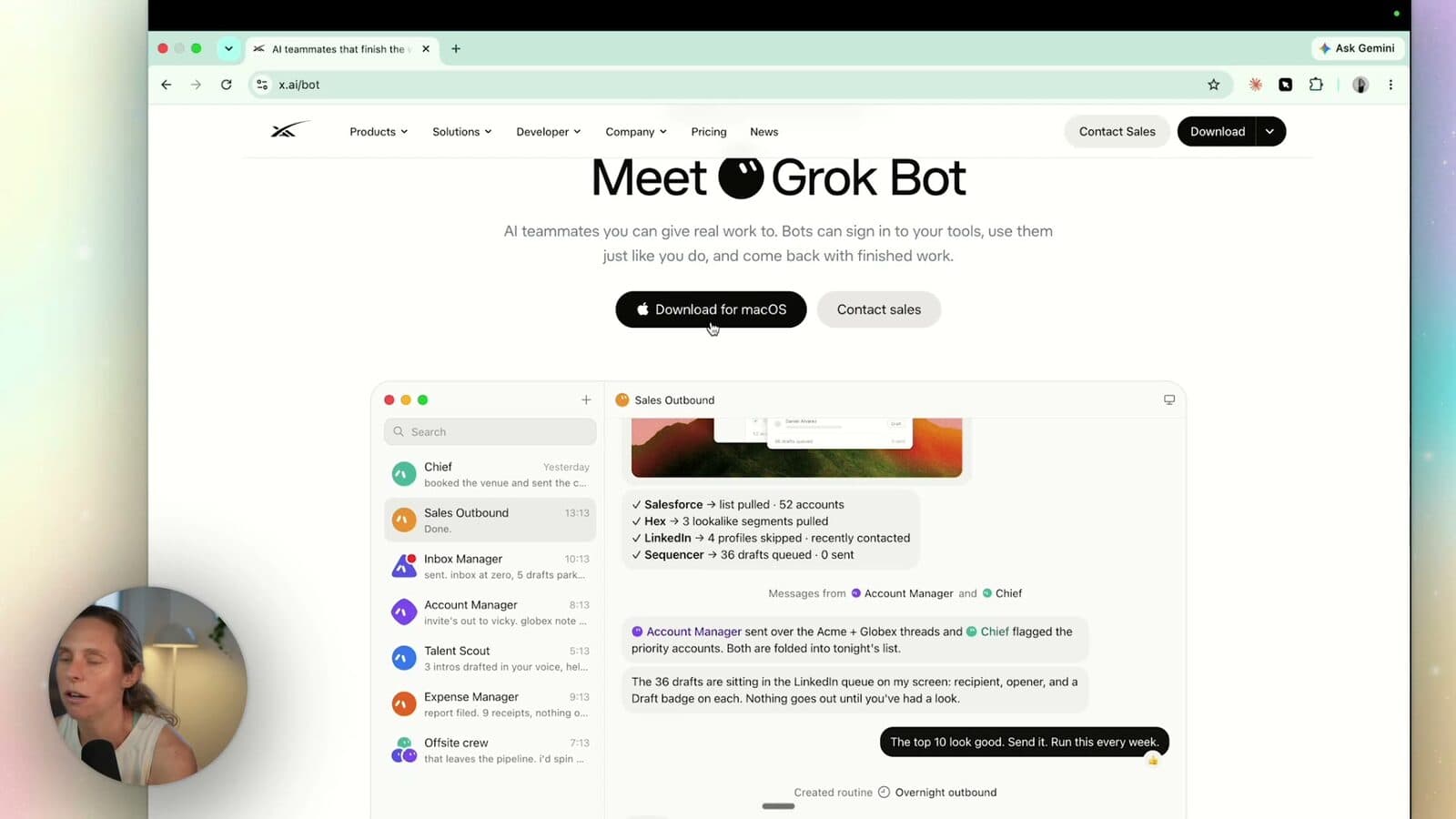
Why she moved the app from Lovable to Claude Code
After my Melbourne Coding Camp (a one-day, in-person build day where we work in Claude Code), Liv asked me whether she could get the app off Lovable. I said yes. So she did.
I am now skilled enough with Claude Code that I can do this.
That's at 14:03. She migrated it successfully, fixed a lot of features, added new ones and redesigned it. She says it looks completely different now. She had stopped updating it on Lovable because she didn't want to keep paying; once it was in Claude Code, she was "going to town".
Lovable is a gentle place to start. It's very beginner-friendly. My take in the episode was that you pay an extra subscription for that convenience, including a markup on the AI usage. What I like about Lovable is that it doesn't lock your code away, so you can take it somewhere like Claude Code when you're ready.
What moving a Lovable app involves
Liv didn't walk through her migration steps in the interview. So this is the current official picture from Lovable's documentation, checked on 01/10/2026, not her exact process:
- Get the code into GitHub. Lovable's GitHub sync connects your project to a GitHub repository you own, and its docs list GitHub.com sync as available on all plans. Direct code download is a paid-plan feature.
- Open that code in Claude Code. Clone the repository to your computer and work on it from that folder.
- Plan the backend separately. Lovable's deployment and ownership guide says moving the database alone doesn't move authentication, storage, realtime or Edge Functions. If your app has logins or saved user data, work out that move before you switch anything off.
My rule on top of that: keep the old version running until the new one works with real data.
If Claude Code is new to you, start with my first Claude Code build for non-technical founders.
Inside Track Your Perfume now
Liv shared her screen and walked me through it, after asking nobody watching to judge her for how much she's spent on perfume. I'm not judging. I'm just a little haunted by the forgotten shelf.
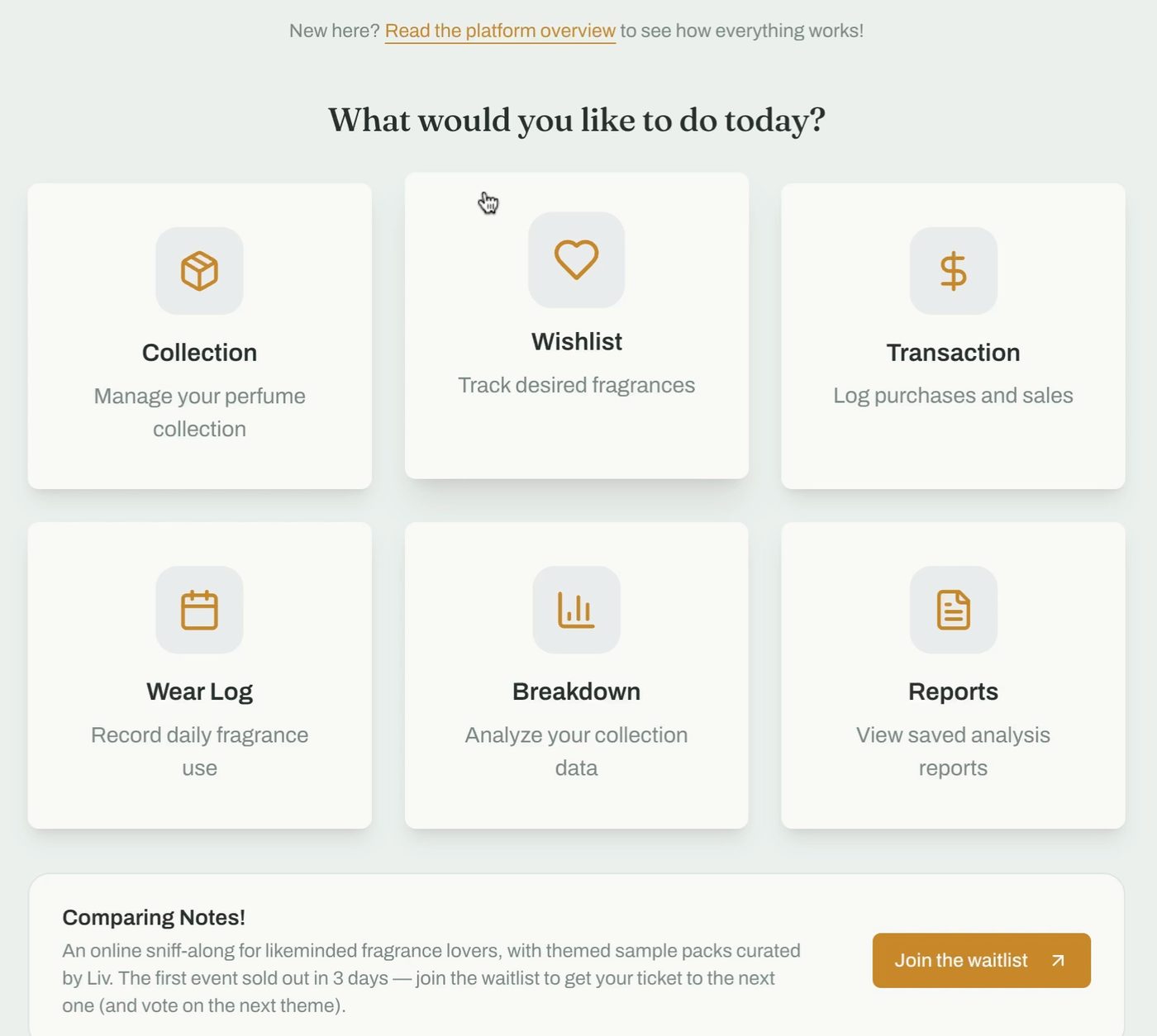
- Collection: filter by bottle type, status, brand, perfumer, size, layering partners and custom tags. The fields are customisable, and there's a table view for bulk editing.
- Wishlist: shows what you'd spend if you bought everything on it, which Liv says "can be a bit sobering".
- Transactions: logs buys and sells, with a quick multi-add for when a discovery kit lands and there are 10 things to enter.
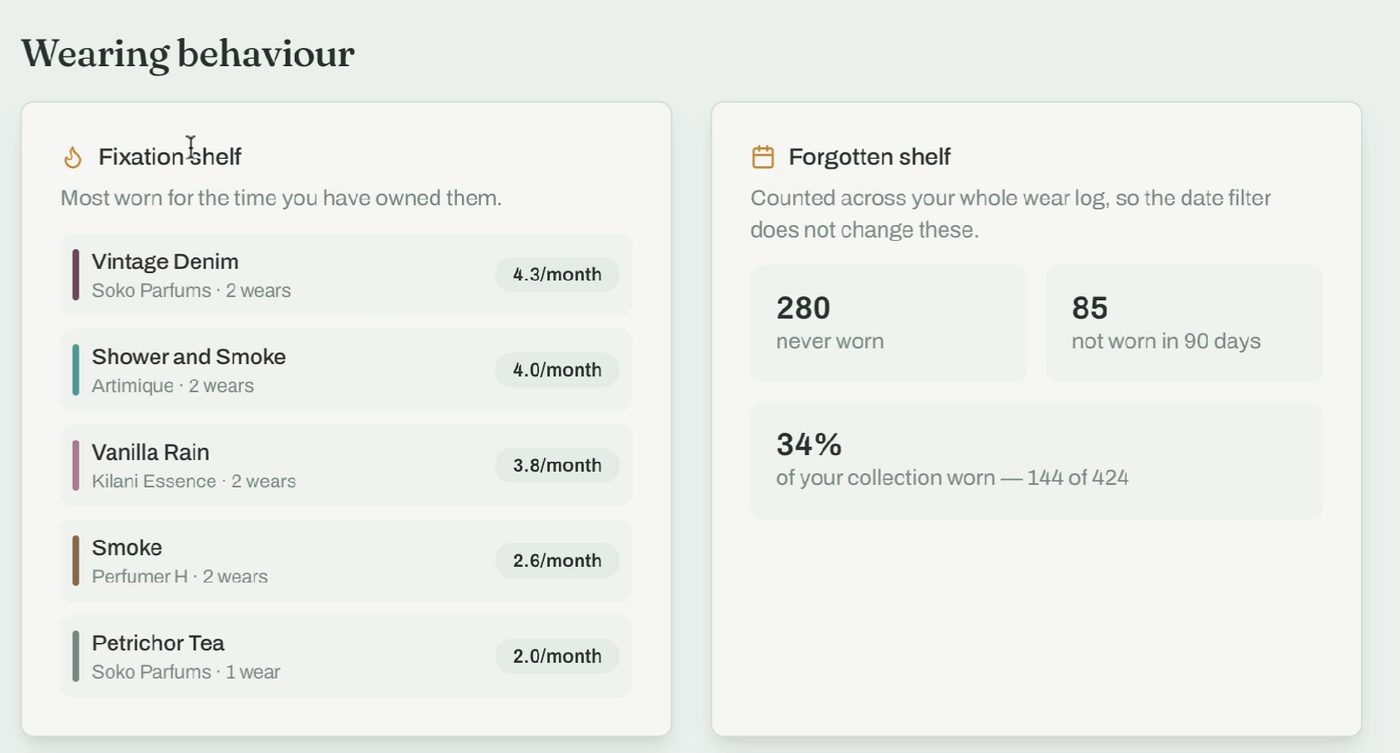
- Breakdown: her favourite page, and the reason she built the app. It compares cost per wear with cost per millilitre, then shows a fixation shelf (most worn for the time you've owned it) and a forgotten shelf (never worn, or not worn in the last 90 days).
- Reports and wear log: saved reports download as PDFs, and the notes you write in the wear log show up against each bottle with the date.
She also added a call-out on the dashboard for her online perfume event, Comparing Notes. It links to a waitlist page she built in Claude Code. The first event sold out in three days.
Around 100 users, and no plan to charge
When I asked how many people use it, Liv said, "I believe around a hundred last time I checked" (19:29). That's her own count. She says nothing else out there shows your wearing behaviour and your financial behaviour at the same time, and the people who use it are very, very dedicated.
Obviously I pushed her on making it paid. She doesn't want to. It's something she would have built for herself anyway, and promoting her event inside it is enough for her right now. She is thinking about partnerships with perfume shops, such as sponsoring an event or offering attendees a discount code.
That's a legitimate choice. Not every app has to become a SaaS business to be worth building.
The one thing Liv won't use AI for
One way that I do not use it is to create work for my clients. That is a hard line for me.
That's at 6:48. The strategy work is hers. AI and n8n automations handle admin and filing: anything she can take out of her head and turn into a process where she only touches one part.
Her point about brand and AI runs through the whole episode. AI can be a great executor, but you have to give it good quality input. If you know what you sound like, who you're talking to and how your brand makes decisions, you can give an AI tool that reasoning to work within. I said it in the episode too: ChatGPT and Claude can't give you someone's industry expertise.
Her Claude Code client follow-up workflow
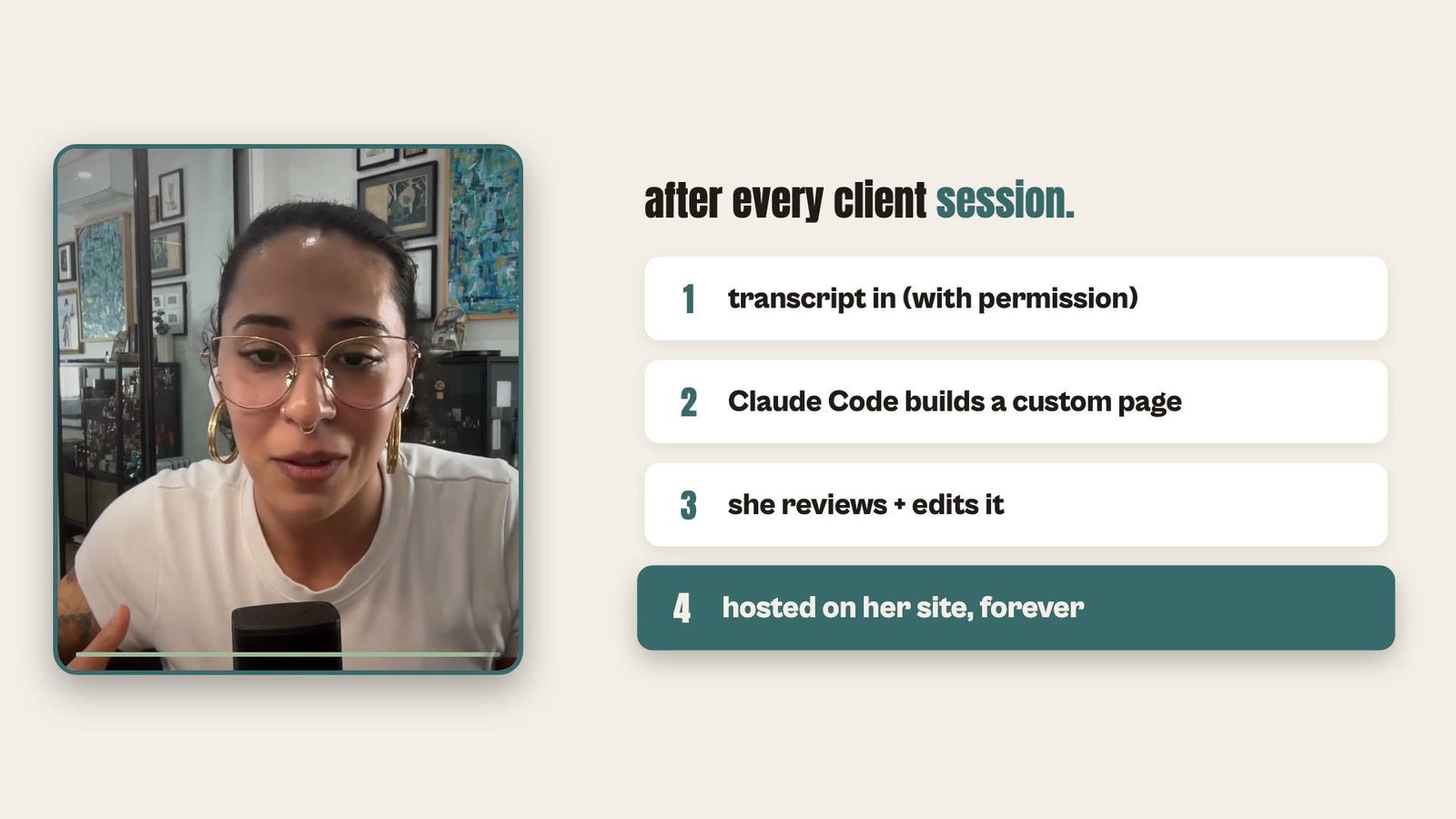
Liv always sent clients a follow-up after a one-to-one brand session: what they covered, what they worked on, the next steps. Now, with each client's explicit permission, she runs the session transcript through a workflow she built in Claude Code.
- The transcript goes in.
- Claude Code builds a custom page with the summary, the copy they wrote together and the next steps.
- Liv reviews and edits it before the client sees anything.
- The page is hosted on her website, so the client keeps it. It's interactive, so they can tick off the checklist as they go.
Then it keeps going:
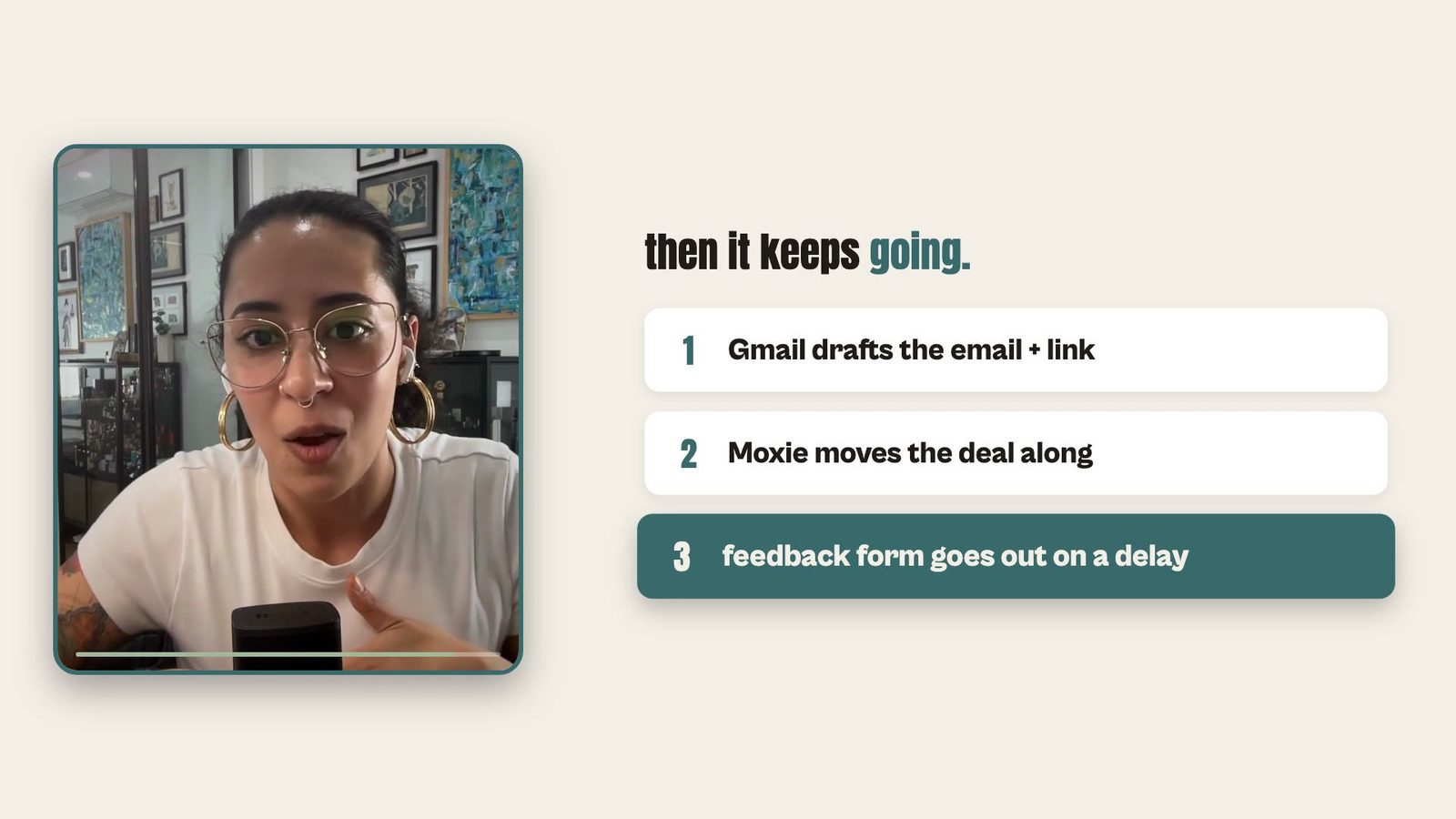
- It drafts an email to the client in her Gmail with the link. A draft, so Liv still sends it.
- It moves the client to the next stage of her pipeline in Moxie, her CRM.
- That stage change triggers an automation inside Moxie, which sends a follow-up email with a feedback form after a delay.
the work that I'm delivering is the same, but the value of it is more
That's Liv at 8:53, and it's my favourite way to see a service business use AI. The thinking already happened on the call. AI packages it so the client can act on it, in her branding, and the admin she'd otherwise carry around (update the CRM, chase feedback) runs without her having to remember it.
Know yourself before you use AI
I asked Liv for one piece of advice for founders using AI with their brand messaging.
Before you use AI to produce anything, know yourself, know what your boundaries are around it, and know what your message really is.
That's at 21:50. It isn't only about making AI sound like you. AI tools keep offering the next thing: do you want me to do this, do you want me to do that? Without a clear idea of what you need, Liv says, you end up "drowning in output with no direction".
I call it productive procrastination. It feels like work. It isn't the work you actually needed to do.
She also talked about watching AI influencers post "it did this for me" and feeling like she was behind. GF, I see you (and yes, some of that is probably my content). Noticing the feeling is what lets you put a boundary in and tap out.
If your AI writing sounds generic, my interview method for AI content is one practical way to get your own thinking into the tool before it writes anything.
What you can take from Liv's story
- Start with a problem you have yourself. Liv's messy spreadsheet was the spec.
- Lovable is a reasonable first place to build. Moving later is possible, but plan for your data, logins and hosting, not just the code.
- Use AI to package your expertise, not replace it. Her client pages are built from work she did on the call, and she checks every one.
For another member who built from her own industry knowledge, read how Sally built AI apps for dance-studio marketing.
Where to find Liv
Track Your Perfume is at trackyourperfume.com, and you can join the Comparing Notes waitlist for her next online event. Her Founding Protocol is a small-group brand and messaging programme; the next cohort was due to start on 12/10/2026 when this episode went live. She's @theidentitydept on Instagram.
FAQ
Can you move a Lovable app to Claude Code?
Yes. Liv moved Track Your Perfume from Lovable to Claude Code after Coding Camp. Lovable's GitHub sync lets you put the code in a repository you own, which you can then work on locally with Claude Code. Your backend (database, logins, file storage) may need its own migration, so check Lovable's ownership guide first.
Do you need coding experience to vibe code an app?
Liv had none when she started. She learnt how pages and databases connect by asking for the features she wanted. A working, maintained app still takes testing and time, and her roughly 100 users is her own count rather than a typical result.
Is Track Your Perfume free?
When we recorded, Liv described it as freely available and said she didn't intend to make it a paid app. Check trackyourperfume.com for how it works now.
Liv is a Wright Mode member, and her app is proof that you can build your own thing without a coding background. Bring your build to the Wright Mode membership and get help adapting it to your business.